iPhone vs Professional Photos for Coral Gables Listings: The Real Difference
- •An iPhone cannot replicate the dynamic range, lens quality, and lighting control of a professional camera setup, which is crucial for high-contrast Florida homes.
- •Using professional photos is a marketing investment that can lead to a faster sale and a higher price, not just an expense line-item.
- •Professional photographers offer more than just still images; they provide a suite of marketing assets like drone shots, 3D tours, and video walkthroughs.
- •Distortion from phone lenses can make rooms look unnatural and cheap, while professional lenses ensure architectural lines are straight and accurate.
- •In a competitive market like Coral Gables, high-quality imagery is essential to stand out and attract serious buyers online.
'''An iPhone can take some truly stunning pictures, but it is not a substitute for professional real estate photography, especially in a market as demanding as Coral Gables. The difference isn't just about "better" photos; it's about accurately representing the property's value, which directly impacts your days on market and final sale price. For a seller, relying on a phone means leaving money on the table. Period.
I’ve been shooting homes in South Florida for over six years, from waterfront estates in the Las Olas Isles to luxury high-rises in Brickell. I say this to make it clear: my opinion comes from real-world experience, not just a love for fancy cameras. I see agents make the "phone photos will do for now" mistake, and I see the consequences when they call us a month later to reshoot a listing that has gone stale.
So, What's the Real Difference?
The camera in your pocket is a marvel of technology. Its software can fake a lot of things. But shooting a property, especially with the intense light and shadow we get here in Coral Gables, is about capturing reality in its best light, not faking it. Here’s a blunt breakdown of where a top-tier smartphone falls short compared to a professional setup.
| Feature | iPhone / Smartphone | Professional Setup (Sony α7R V & Profoto Flashes) | Why It Matters for a Coral Gables Listing |
|---|---|---|---|
| Dynamic Range | Struggles with high contrast. Blows out windows or crushes shadows in interiors. | Captures detail in both the brightest highlights and darkest shadows simultaneously. | Essential for showing the view from a window and the detail of the room. Critical for Coral Gables homes with lanais, large windows, and waterfront views. |
| Lens & Distortion | Single, ultra-wide lens distorts rooms, making them look warped and unnatural. Vertical lines curve. | Specialized, tilt-shift lenses correct perspective, keeping vertical lines perfectly straight. | Distortion makes a space feel "off" and cheap. Showing the true geometry of a room is key to conveying quality and space, especially in historic homes. |
| Resolution & Detail | Good, but files are heavily processed and fall apart when enlarged or scrutinized. | Massive 61-megapixel files from my Sony α7R V retain incredible detail for print and digital zoom. | High-resolution images allow potential buyers on the MLS to zoom in and see the fine details of finishes, materials, and craftsmanship without artifacting. |
| Lighting Control | Relies entirely on ambient light and basic software "night mode". | I use multiple off-camera Profoto B10X flashes to sculpt light, fill shadows, and ensure true-to-life color. | You can't rely on South Florida sun alone. Professional lighting creates a bright, airy, and consistent look from room to room, regardless of the time of day or weather. |
| Color Accuracy | Tends to oversaturate colors. Whites often look blue or yellow depending on the light source. | A calibrated workflow from capture (with a color checker) to post-production ensures colors are accurate. | That custom cabinetry or designer paint color needs to look the same online as it does in person. Inaccurate color is a broken promise to a potential buyer. |
The High Cost of "Good Enough" in Coral Gables
The biggest mistake I see agents make is thinking of photos as a line-item expense rather than a core marketing investment. They see a starting package price, compare it to "free" on their phone, and make a decision that costs them dearly in the long run.
A listing with amateur photos screams "discount" or "unmotivated seller." In a sophisticated market like Coral Gables, buyers and their agents are scrolling through hundreds of listings. Yours has a split second to make an impression. Dark, warped, or blurry phone photos get an instant swipe-left.
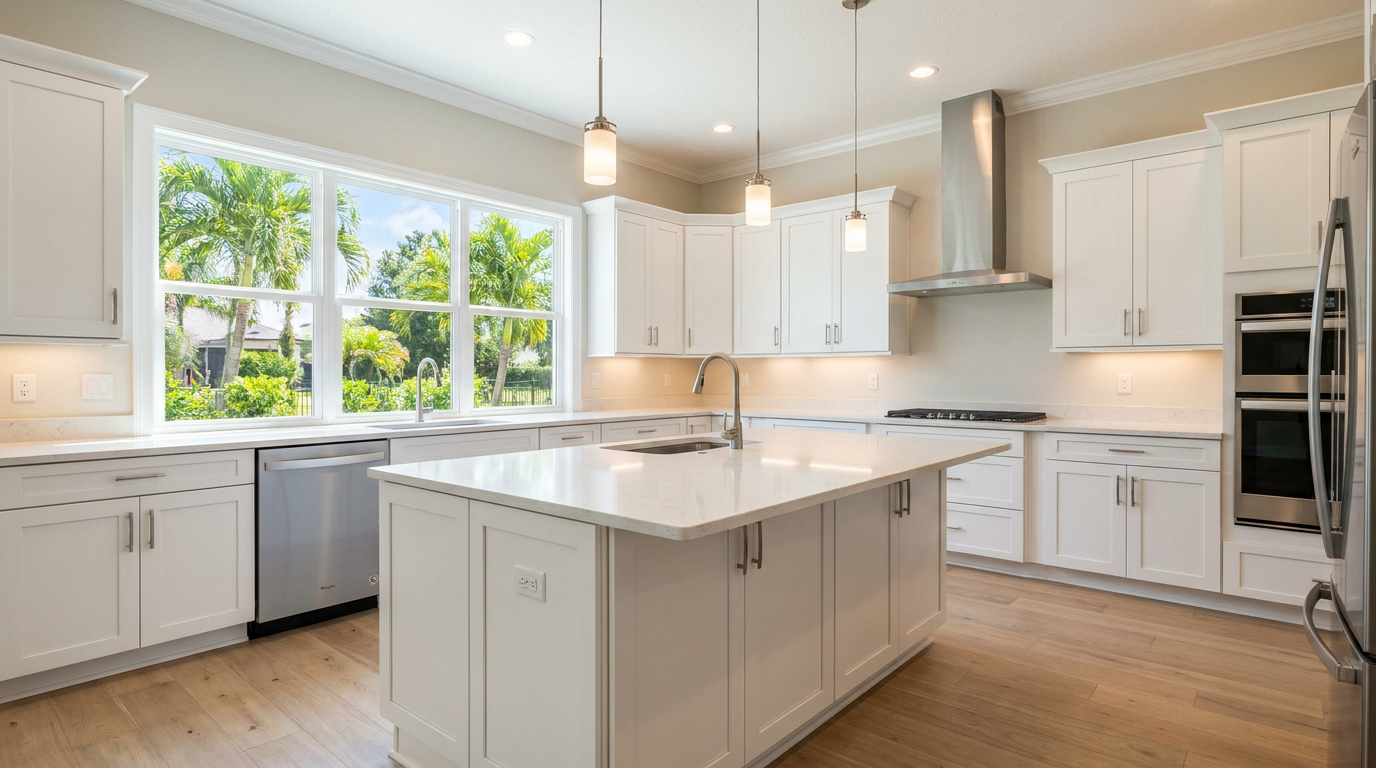
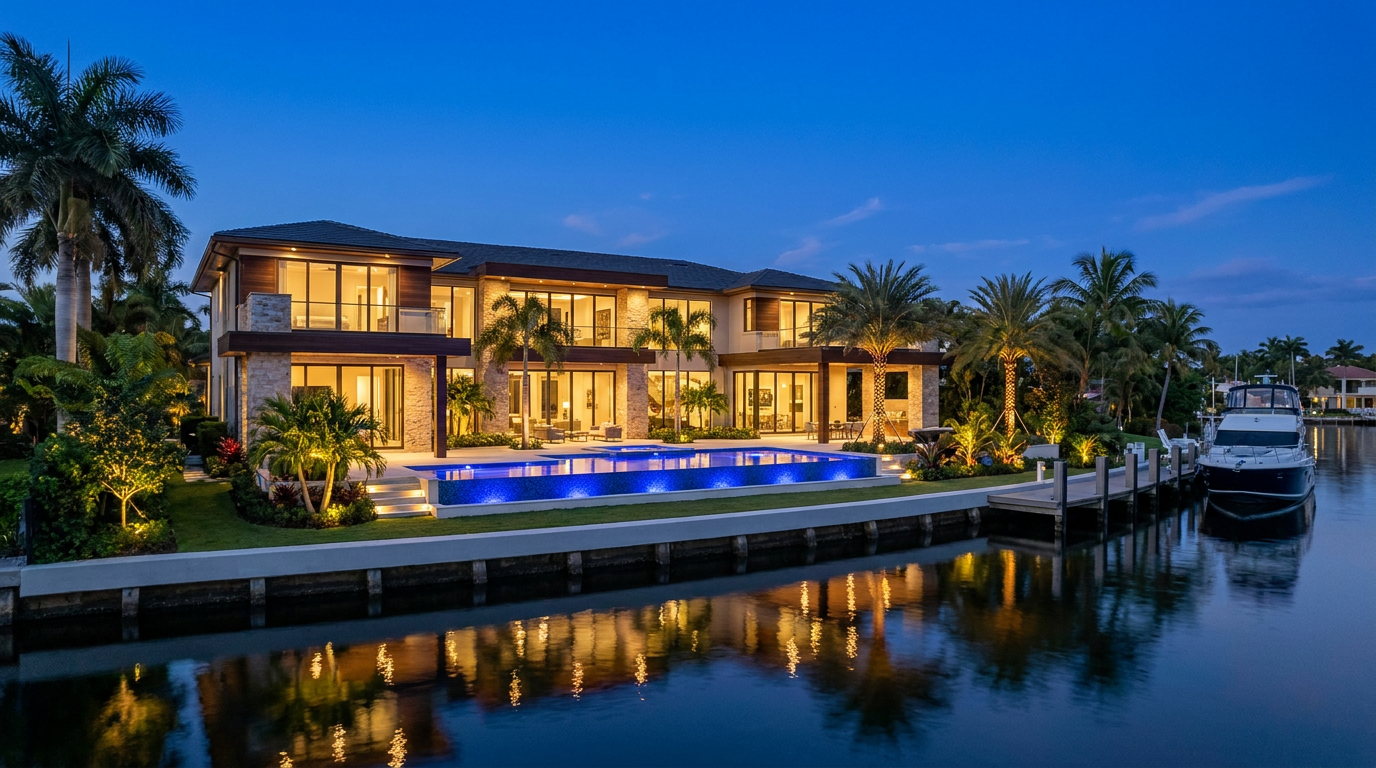
Think about a recent shoot I did at a gorgeous waterfront home in Deering Bay. The living room had floor-to-ceiling windows looking out onto the bay. An iPhone would have given the agent two terrible choices: expose for the room and have the windows be a wall of pure white, or expose for the view and have the interior be a dark, shadowy mess. Using my Sony and three carefully placed Profoto flashes, I was able to capture the stunning water view and the bright, detailed living space in a single, vibrant image. That’s not a trick; it’s just using the right tool for the job.
Where Phone Photos Fail: A Deep Dive
The Warped Reality of Wide-Angle Lenses
Your phone uses an ultra-wide-angle lens to make rooms look bigger. But it does this by distorting the image, bending straight lines near the edges of the frame. Vertical lines like doorways and window frames curve unnaturally. This distortion might not be obvious to the average person, but it creates a subtle sense of unease and cheapness. It’s the visual equivalent of a funhouse mirror.
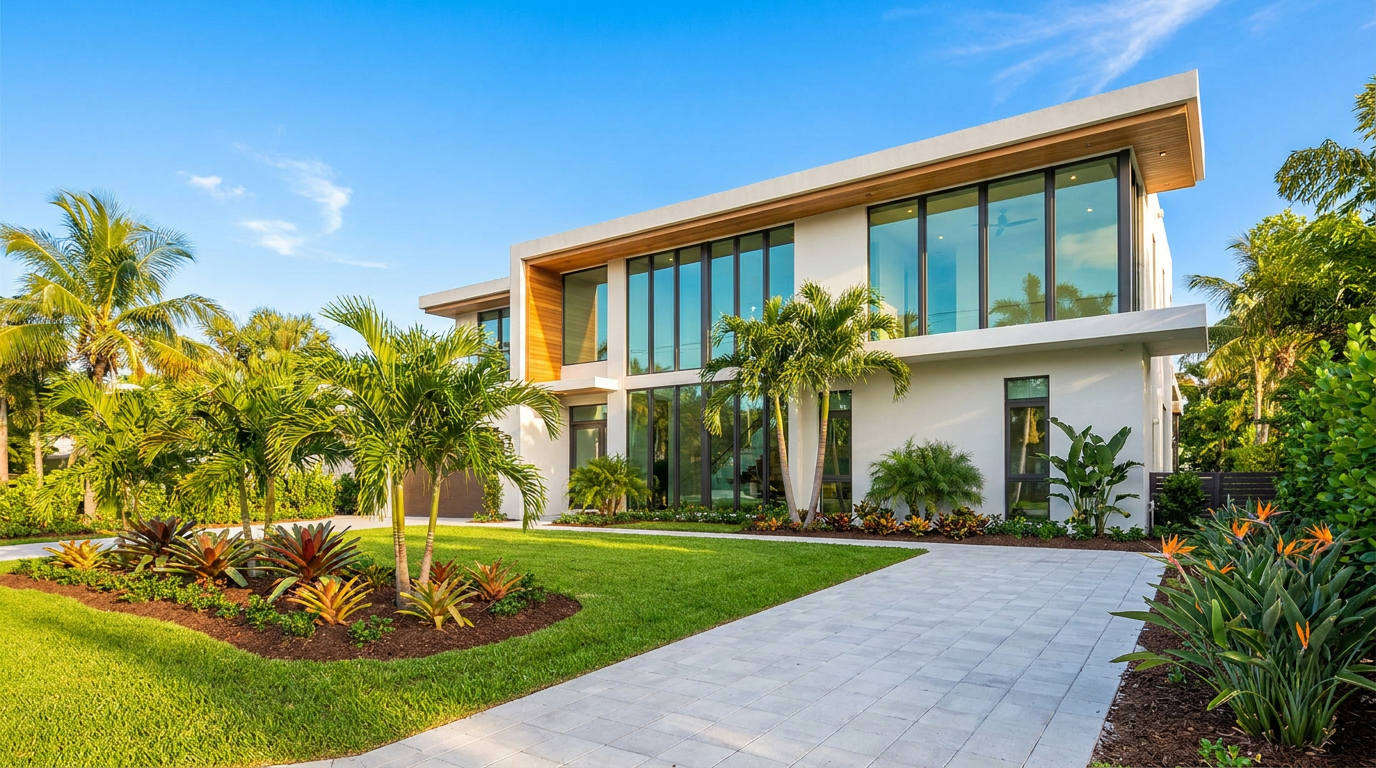
For luxury properties in Coral Gables, where architecture and straight lines are paramount, this is a fatal flaw. My specialized lenses are designed to keep those lines perfectly straight, presenting the home as it was designed and built. This communicates stability, quality, and an honest representation of the space.
Florida’s Light is Unforgiving
The dynamic range—the ability to see details in both bright and dark areas—is a phone camera's kryptonite. I see it all the time on Zillow. A beautiful Coral Gables kitchen with dark wood cabinets and a bright, sun-lit breakfast nook becomes a mess of crushed, detail-less blacks and blown-out, glowing windows.
Our eyes can handle this contrast, but a camera sensor needs help. A professional full-frame sensor like the one in my Sony α7R V, combined with a technique called "flambient" (blending flash and ambient light), allows me to produce an image that looks natural and shows detail everywhere. A buyer can appreciate the grain in the wood cabinets and the sailboats on the water outside the window in the same shot.
Beyond the Still Photo
Your marketing package shouldn’t stop at stills. A phone can take a shaky video, but can it produce a smooth, stabilized video walkthrough service that tells a compelling story about the property's flow? Can it create an immersive 3D virtual tour service using a high-end Matterport Pro3 camera that lets a buyer from New York walk through the home as if they were there?
This is where the gap between amateur and pro becomes a chasm. We’re providing a full suite of marketing assets designed to engage buyers on every platform. We can even offer virtual staging services to furnish an empty room, something that requires high-resolution, correctly-lit base images to look realistic.
The Bottom Line is Your Bottom Line
According to data from the National Association of REALTORS®, homes with professional photographs sell faster and for more money. While the exact numbers fluctuate, the principle is constant. In my own experience serving over 550 agents, listings shot professionally go under contract faster than those with DIY photos.
In Coral Gables, where the median home price is significant, can you afford to leave tens of thousands of dollars on the table to save a few hundred on photography? Can you afford an extra 30-60 days on the market?
Using your phone is a signal to the market that you’re cutting corners. And if you’re cutting corners on the most crucial marketing element, where else are you cutting them? That’s the question that runs through a potential buyer’s mind.
My job is to make your listing look as good online as it does in person. It’s to attract serious buyers, justify your asking price, and help you sell your property faster. The gear I use—the Sony, the DJI drone, the Matterport camera—are simply the tools I need to do that job to the highest standard.
If you
Frequently Asked Questions
Are new iPhones good enough for real estate photos?
While new iPhones have impressive cameras for personal use, they lack the dynamic range, lens quality, and manual control needed for professional real estate photography. They often struggle with high-contrast scenes (bright windows and dark interiors), distort rooms with their wide lenses, and cannot match the color accuracy of a pro setup.
How much do professional real estate photos cost in Coral Gables?
The cost can vary, but our photography packages at Estate Shutter Florida start at $199. Think of it as an investment, not an expense. The cost of professional photos is minimal compared to the potential financial loss from a lower selling price or extended days on market.
What is the main advantage of professional photos over iPhone shots?
The main advantage is control over light and perspective. We use multiple off-camera flashes to create bright, natural-looking interiors and specialized lenses to ensure rooms look spacious and architecturally accurate, without the distortion common in phone photos.
Can I just use an iPhone for my Zillow and MLS photos?
You can, but it will likely harm your listing. Buyers in a market like Coral Gables are discerning and can spot amateur photos instantly. Professional images make your listing look more valuable, attract more views, and lead to more serious inquiries.
Do I really need drone photos for my Coral Gables listing?
For many properties in Coral Gables, yes. Drone photos are invaluable for showing a property's location, lot size, proximity to water, and overall layout. It provides a perspective that is impossible to get from the ground and is a standard expectation for luxury listings.
Shooting in Coral Gables?
Coral Gables real estate photography
Photos, drone and 3D tours for Coral Gables listings, from $199 with 24-hour delivery.
See Coral Gables pricing & recent workEstate Shutter FL
Ready to make your next listing the best on the market?
Professional real estate photography, drone, 3D tours & virtual staging across Florida — from $199 with 24-hour delivery.
Mike Brun
Founder & Lead Real Estate Photographer
Founder of Estate Shutter FL, a South Florida real estate photography studio shooting listings across Miami-Dade, Broward and Palm Beach counties. More about Mike →